

What Is Nose Blindness? An Undesirable Seventh Sense?
Have you ever walked into a room where you knew a fragrance had been diffused and found that you couldn’t smell it anymore?
You check the diffuser is “on” button and a neighbor comes by and remarks on the beautiful fragrance in the house.
You think you are going mad. but manage “thank you.” Inside, however, you are wondering why your nose no longer works. It is neither the product, nor your nose that is the problem.
You have acquired
nose blindness, a temporary condition health insurance does not cover, but the cure for which is relatively easy.

What Exactly is Nose Blindness?
Also known as olfactory fatigue, nose blindness is a temporary deviation that occurs in the human brain when you are over exposed to certain scents.
The brain, which functions as a survival mechanism, ignores a too familiar fragrance in order to remain on constant alert for new and/or dangerous smells like gas leaks and smoke.
It is said that on an average day, every human being is estimated to inhale various smells more than 23,000 times!
The olfactory system is extremely powerful, but it cannot withstand a continuous stream of any aroma, no matter how beautiful it may be, over a constant period of time. It shuts down, which produces a total loss of aroma perception.
Nose blindness relates to one specific scent.
It can be your own personal perfume or a favored house aroma. Your ability to smell everything else, however, remains completely normal.
You might feel that you are being gaslit by unseen enemies. but all is really well and easily corrected. Losing your sense of smell (Anosmia/Hyposmia), is something else entirely.
This can be caused buy a number of medical conditions including: viral infections; physical blockages; sinus inflammation and others.
It persists whether you change rooms, move to Hawaii or step outside your home.
The Science Behind Nose Blindness
Simply put, the science involves two steps. First, scent molecules adhere to the tiny receptors found inside your nose. They serve as sensors that transmit electrical messages to your brain.
When they repeatedly receive the same smell for a long time, the nerve cell activity abates and there is no new information to send.
Your brain conserves energy and reacts to the steady smell as a “safe” noise and filters out the signal.
There are also other factors that influence this condition.
According to research, it can be dependent on how a particular smell enters the body.
If the aroma is inhaled through your nose rather than your mouth, there is a greater impact on nose blindness.
Research also indicates that nose blindness develops faster when it is a response to unpleasant odors as opposed to pleasing smells.
The shape and chemical character of a certain smell can also influence how quickly or slowly this condition makes its appearance..
Are There Any The Positive Aspects of Nose Blindness?
Nose blindness, in its own way, is a boon to all mankind.
It picks up any smell that is potentially dangerous and out of place such as: smoke or spoiled food.
It also prevents sensory overload from the everyday background smells dispersed by diffusers, reeds, and signature home scents.
When you turn the intensity up even though your visitors can still smell it, you know you have arrived at the state of nose blindness.
Just one day away can make all the difference in suddenly being able to smell the aroma as a “new” fragrance without any cost to your spirit or purse.
Nose Blind vs Faded Fragrance
In the case of nose blindness, your brain tunes out a particular continuous scent, while a faded fragrance tells the not so pleasant tale about scent molecules that have evaporated. When this occurs, you cannot detect the perfume and neither can anyone else.
This is often the result of inferior ingredients that cause the scent to leave town, so to speak. A simple test can determine the difference. Leave the room for about 15 minutes and then return.
If you can now discern the scent, the issue was nose blindness, but if its is still barely there, its time to clean the diffuser, refresh the oils and/ or flip the reeds.
How To Prolong Your Beloved Scent
It’s all up to you and that is the beauty of it all. Consider the scent in you home as you would your plants.
It requires care and its own form of nourishment, as would every living thing. Your scent is alive in its own special way and needs to be rotated with others instead of just running all the time.
Keep you diffuser clean and don’t be afraid to experiment with diverse fragrances families in different rooms or times of day.
Diffuse in specific intervals rather than on a constant basis. The placement of your diffuser is also an important consideration.
The air must circulate or the scent cannot succeed. Place it somewhere where it faces the whole or at least most of the room.
Concentrated fragrance oils will create a lighter and more even presence.
Preventing Nose Blindness And Enjoying Favorite Scents Again
Due to the fact that nose blindness occurs automatically, there is no way in which it can be completely prevented.
However, there are some helpful ways to reduce it. Establish a workable, variable routine.This does require a bit of thought, but it is well worth the effort.
For example, try one fresh scent for living and open spaces; one calming or luxurious aroma for evenings and rotate them seasonally. They say variety is the spice of life, and in this instance, its is the path along which fragrances remain enjoyable rather than lost forever in space.
Resetting Your Nose Is Easy
Step outside your home for 5 or ten minutes of fresh air, which will clean out your olfactory receptors. Avoid doing this during blizzards, tornadoes or floods (lol).
Turn off your home scent for a few days to completely reset.
Rotate your personal fragrance, laundry soap, or household cleaners every few weeks to keep your nose engaged.
Take a whiff of your own neutral clothing if you need a quick check, but do not pass go, take 200 or go directly to jail by using another heavy scent. This will, only serve to overload your poor nose.
If the problem appears to be your own personal perfume, change how you apply it. Spray perfume or cologne lower on your body or behind your neck and shoulders instead of in front of your chest or neck.
This wills serve to keep the scent away from a direct path to your nose.
Carpets, air filters and couches may need to be deeply cleaned.
Try this instead of attempting to mask odors with more fragrance. Try to clean regularly, changing filters and letting fresh air inside, which will help prevent common odors.
In conclusion
Nose blindness is not a malfunction of your nose or a sign that your favorite fragrance has failed.
It is simply your brain doing its job—quietly filtering out a familiar, non-threatening scent so it can stay alert for anything new or potentially dangerous.
The condition is temporary, specific to one aroma, and entirely reversible with a few small, intentional adjustments.
By rotating scents, running your diffuser in intervals rather than continuously, keeping the device clean, and giving your nose occasional breaks with fresh air, you can restore your ability to enjoy the fragrances you love.
Your sense of smell remains intact for everything else; it just needs a little variety to keep a constant aroma from fading into the background.
With these simple habits, nose blindness becomes easy to manage, and the scents that make your home feel welcoming can continue to do so—both for you and for everyone who walks through the door.
Recent Posts


Our Most Beloved Fragrance Oils
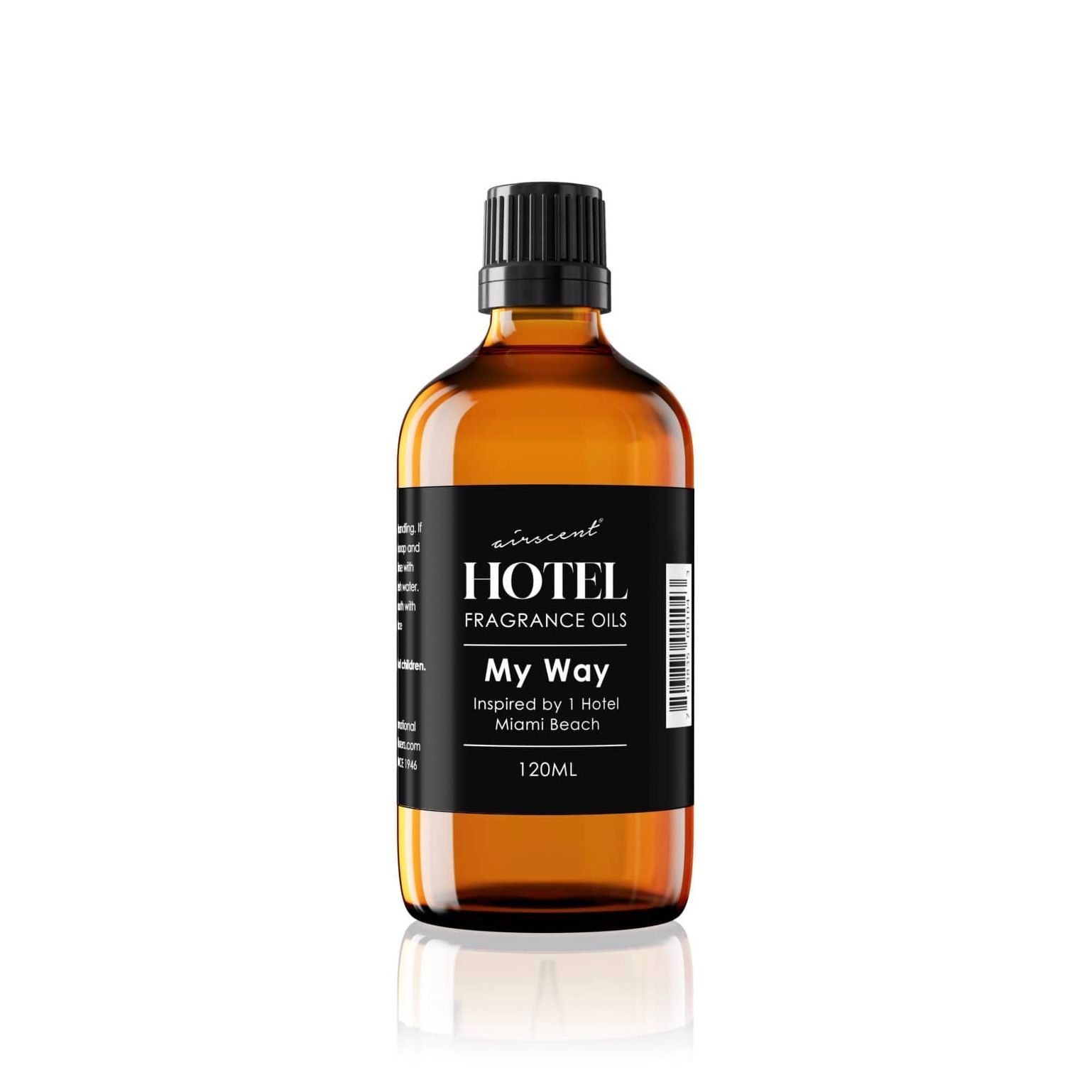
My Way 1 Hotel
Sandalwood, Jasmine, Vanilla, Musk & Virginia Cedar.
Baccarat Hotel Love Affair
A warm woody aromatic blend of sandalwood, papyrus and musk.