

Candle Making for Beginners - A Complete DIY Tutorial
The timeless art of candle making dates back about 5,000 years. Nearly every ancient culture used candles for illumination, though their precise origins remain lost to history.
Today, candle manufacturing is a multi-billion-dollar industry, despite candles no longer being essential—their enduring enchantment has made DIY candle making a popular and rewarding hobby.
For beginners, the process can feel overwhelming due to its complexity, so our expert perfumers have crafted this complete DIY tutorial to empower novices: from selecting waxes and mastering fragrances (often the priciest element!) to safety tips and step-by-step instructions for creating custom, eco-friendly candles at home.
Discover the joy of personalization, cost savings, and creative fulfillment—start your candle-making journey today!
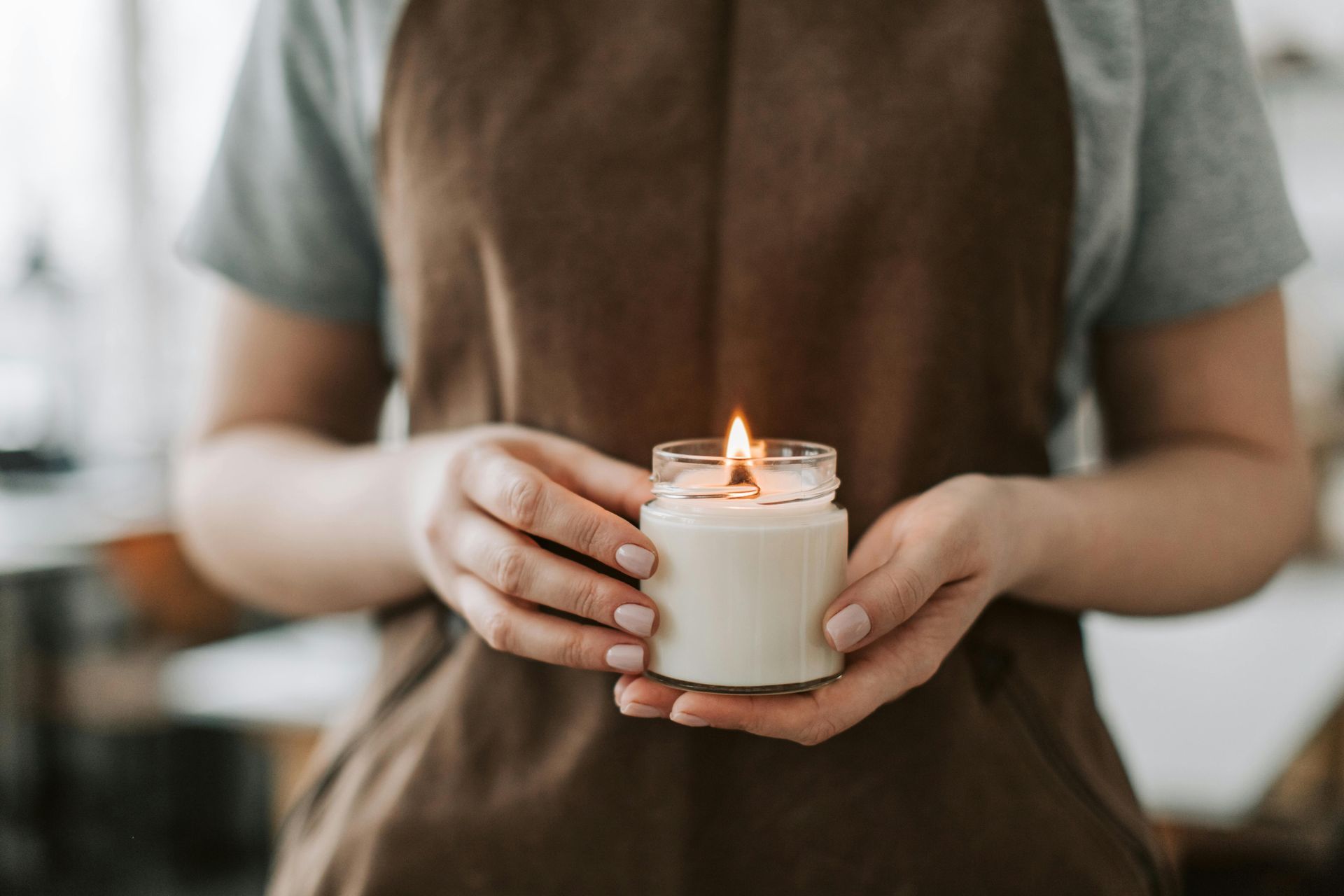
Candle Making Versus Buying Candles
Candle making for beginners offers creative control, lower costs per candle in the long run and the potential for a business, while buying is faster and requires less effort and materials.
The main advantage is one of time and initial investment versus the convenience of just opening your wallet.
The idea of customization is rewarding and gives you, the crafter, complete control over fragrances, ingredients, shapes and colors and the personalized immersion into a truly artistic and creative experience.
In addition, your candle can be better than others and burn brighter with eco friendly and superior quality ingredients.
Upfront costs for DIY candle making can be hefty, and they include investments in supplies such as:equipment, wax, wicks, and containers.
Sourcing materials, production and clean up are all necessary procedures that can be time consuming.
If you are the kind of person that screams at red lights or standing in line almost anywhere, DIY candle making is not for you.
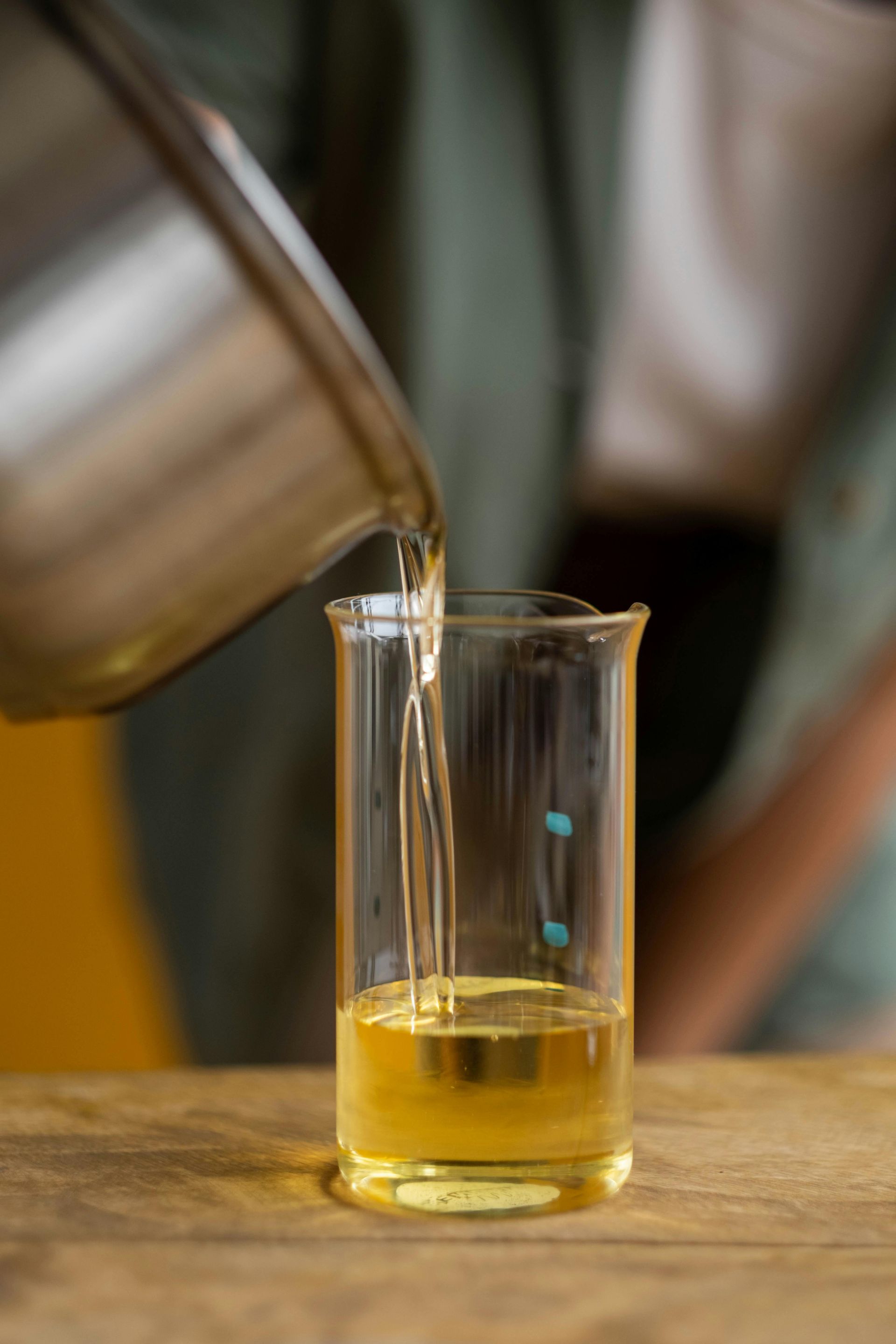
As is the case with almost anything significant, achieving a learning curve does not come out of the air. It takes time, patience and concentrated effort to learn techniques and experiment with diverse materials.
Higher quality store-bought candles are not cheap and no matter how costly they are, there are some that do not list their ingredients and may contain toxic elements, which can be harmful to humans.
They also do not offer other than that which is commercially available. If you don’t like the color or the shape, you are either stuck with it or don’t buy it.
Some Important Characteristics Of A Candle Fragrance
Your DIY candle making list of what to do and not to do is exceptionally long and sometimes difficult to prioritize.
Nevertheless, you have to take into consideration gender appeal, prevailing notes, character of the scent and its targeted audience, which is vital to marketing success.
Will it be a seductive female aroma, a more masculine or unisex scent? Will it appeal to younger or older consumers? Is it meant be sexy, glamorous casual or natural?
And then there are the specific notes of your new olfactory concoction. Are you inspired by Asian, floral, fruity or woody aromas?
Some notes, such as patchouli, vanilla and sandalwood, are more potent than others. Then there is the chosen moniker for your new scent. It must have an appeal to the consumer and link to the candle fragrance.
Examples include: Frosted Sugar and Spice, Misty Blue Lagoon or Deep Forest Pine.
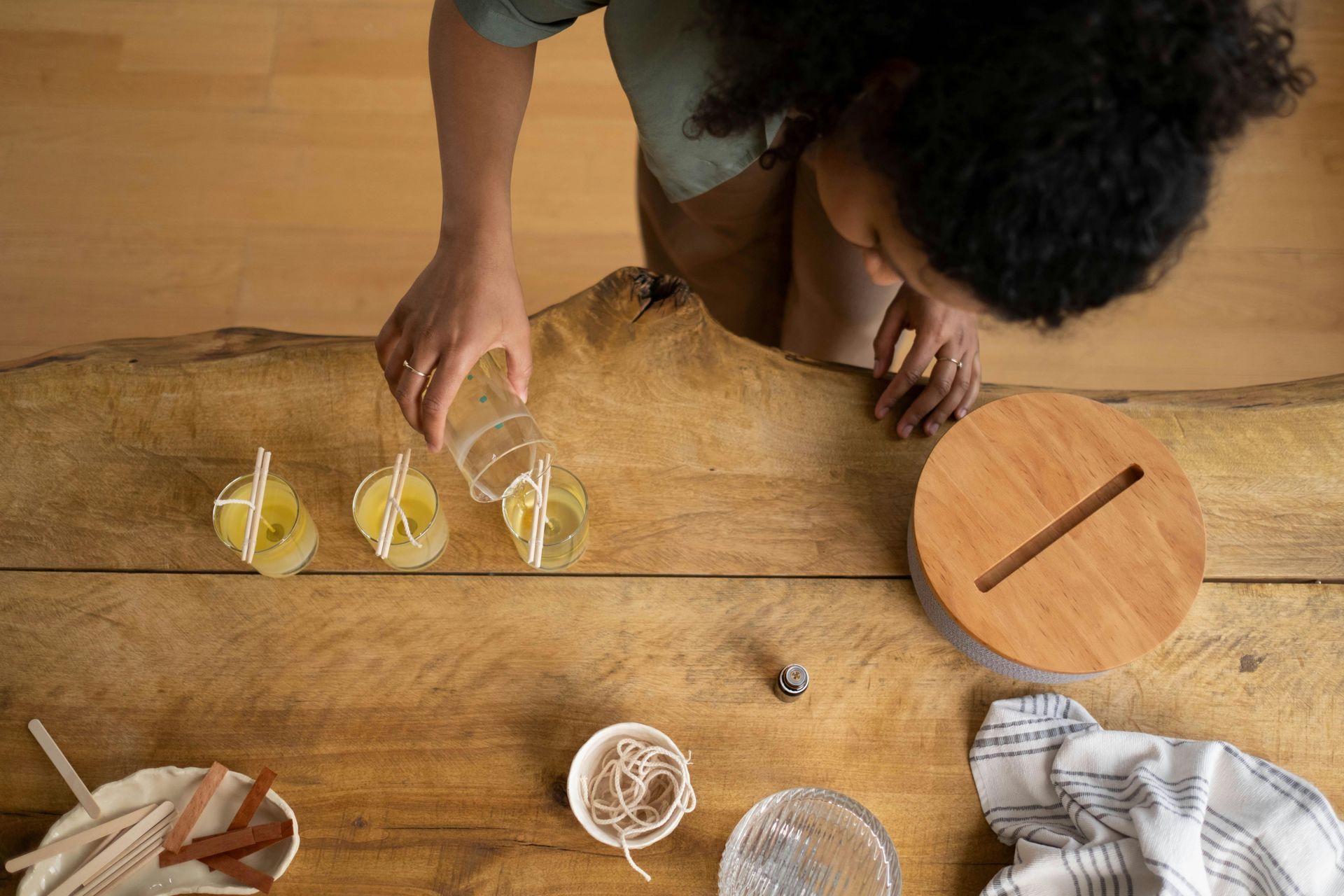
General Concerns About Creating A Candle Fragrance
Although there are many points to consider, it is likely that one of the most difficult is determining the amount of scent to choose.
Despite the fact that this is a matter of personal choice, as a novice DIY crafter you need to remember that all scents have a point of diminishing return and adding more wax can not only be calamitous but also very expensive.
You must learn about scent throw, which concerns the strength of any perfume.
This is vital to successful DIY candle making and refers specifically to the particular power of a candle scent.
It concerns the aroma of the candle both when the wax is solid (cold throw) and after it has been lit (hot throw).
Add the fragrance oil at 185Fº, stirring gently until thoroughly combined with the melted wax.
Some scents are by nature more potent than others—these include: cinnamon, French vanilla and mulberry.
Understanding The Notes Of Fragrance
Every fragrance has its specific stages of development that involves the deft application of facets.
Top notes, such as citrus and fruity elements, initiate the scent, render a first impression, and seamlessly fold into heart or middle notes which are the true essence of a fragrance.
These can include; floral, spicy aspects such as:dreamy, passionate rose, light neroli; creamy gardenia, intoxicating jasmine and slightly sweet nutmeg.
The dry down completes the fragrance with strong base notes such as: erotic musk; dark patchouli, woody elements like sandalwood and resinous facets like frankincense and myrrh.
We covered this topic extensively in our guide to fragrance notes.
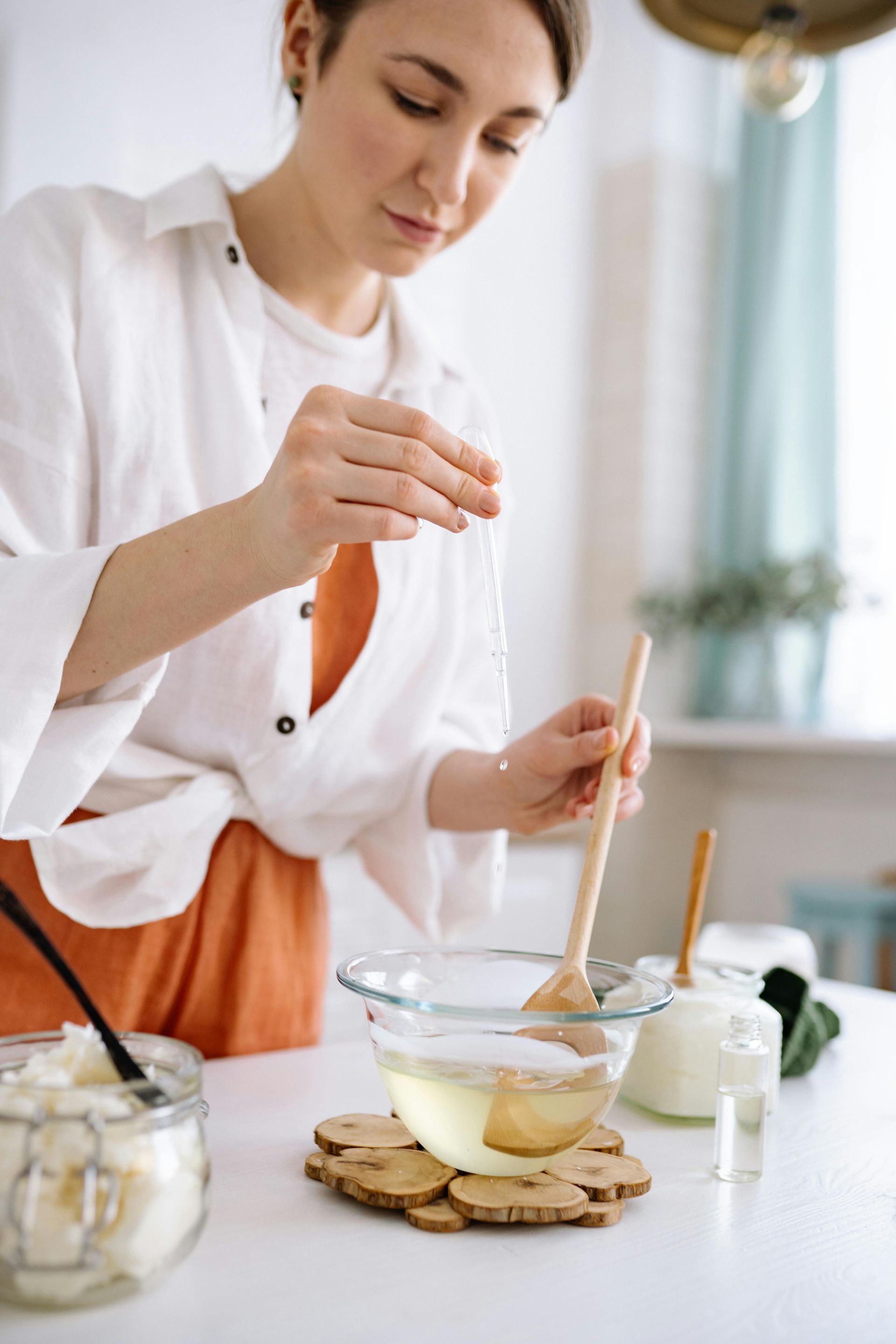
Essential Supplies For Making Candles At Home
Your candle making supplies list must include: wax (beeswax, soy or paraffin), wicks, thermometer, containers, a double boiler and stirring tools.
Affordable candle-making supplies can be sourced from several options including: our superior fragrance and essential oils collection, craft stores and at Amazon.
Choosing The Best Wax For Candle Making
The most important things to know about wax concern the melting point, the oil content, and the hardness of the wax.
The number of options can be staggering to the novice perfumer. When looking at labels, the word that precedes ‘wax’ can have an enormous positive or negative impact on the final creation.
This is due to the fact that wax is a generic term with a wide range of products that can range from petroleum, beeswax and animal-based to synthetically derived materials.
Soy and vegetable-based waxes have become more popular options over the course of the last decade. All waxes fall into two basic categories; namely, blended waxes or unblended paraffins.
The best wax for candle making is the one that suits your specific needs at the lowest price you can find.
Blended Waxes
Blended waxes are time-savers for beginner candle makers because their formulas come with additives. They are easier to use because they never vary from batch to batch.
They do impact creativity, however, as they are always formulated for specific candle applications, such as: jars; tapers, pillars ( thick, cylindrical candles designed to be freestanding) and small votives.
As its name implies, blended wax is a fusion of diverse types such as: soy, paraffin and coconut, which collectively improve performance, scent throw and appearance.
The more popular blends include: soy-paraffin for container candles and coconut soy varieties for superior scent and polished finish.
Their advantage is that their particular fusion of ingredients present unexplored possibilities because their contents offer a blend of qualities that individual waxes don’t have.
For example, the creation of a candle that looks creamy and has a natural base of soy coupled with the aromatic scent throw of paraffin.
Unblended Paraffins
Perhaps the most cost-effective option, straight or unblended paraffin wax is petroleum-based and very popular because it has a powerful scent throw and effectively retains color and fragrance.
It also has a higher melting point and a working temperature of 60-70c. It shrinks as it cools, which allows for the formation of dips to fill and has a low glass adhesion.
It is considered non-toxic and burns cleanly when refined, but some concerns persist about its burning process, which is said to cause the emission of certain chemicals.
Completed studies have so far indicated that paraffin is no more toxic than other waxes.
How To Make Soy Candles
The exact desired temperature for making soy wax candles can vary and it is best to check the manufacturer’s recommendations for the best results.
Pouring wax at the wrong temperature can cause sinkholes or an uneven finish.
Soy wax is highly recommended for novice candle makers because it pours easily, burns cleanly and is non toxic.
How to make soy candles at home begins by melting the wax via a double boiler and then adding the fragrance and dye into a prepared container with a secured wick.
Allow time for the candle to cool and cure before trimming the wick to its desired length.
How To Make Beeswax Candles At Home
Beeswax is a more expensive alternative than either soy or paraffin and it is known for its natural and sweet fragrance.
Still, other waxes retain fragrances better and for that reason adjustments need to be made when calculating appropriate fragrance amounts.
To make beeswax candles at home, melt the wax using a double boiler, prepare your container by securing the wick to the bottom and then pour the melted wax into it.
After cooling, trim the wick to about a quarter to a half-inch.
Sizing and Preparing Wicks For Candle Making At Home
The following information will prevent you from wondering why your new candle won’t wick properly. Do not trim the wick too short and if you re not sure how long it should be, consult a candle wick sizing guide to direct you.
Problems can include: a wick that has broken off or is not strong enough to draw up the wax and fragrance together. Trim wicks to 1/4 inch and never, never leave unattended.
DIY wicks are usually made from cotton-based string or wooden sticks. Cotton wicks involve soaking the string in a borax and salt solution before dipping it into the melted wax.
In the case of wooden wicks, use olive oil to soak splinters before attaching them to a wick tab.
Homemade Candle-Making Safety and Storage Tips
Candle making safety tips include:protecting your skin with a long-sleeved shirt; apron and heat-resistant gloves.
Safety goggles are also recommended to protect your eyes from splashes.
Ensure your workspace is well-ventilated and free of flammable materials. Open windows or use a ventilation hood to avoid inhaling fumes.
It is also vitally important to use only those substances specifically designed for candle making and to keep a fire extinguisher or metal lid nearby. Never heat wax directly on a stove; always use a double boiler.
Carefully monitor the wax temperature to avoid exceeding its flashpoint. (This is not the time to watch another episode of your favorite thriller on streaming tv). Stay vigilant and present every single moment that your wax is heating.
Clean up spills immediately before wax has a chance to harden, which will prevent slips. Store wax, oils and dyes in a cool, dry place away from direct sunlight and out of reach of children and pets.
In Conclusion
In a world illuminated by screens and artificial light, the gentle flicker of a handmade candle remains a timeless beacon of warmth, creativity, and tranquility.
This ancient art has endured for millennia—not just as a source of light, but as a canvas for personal expression and sensory delight.
Now, armed with the knowledge from this guide, it's your turn to ignite that spark. Craft candles that reflect your unique style, fill your home with captivating aromas, and experience the profound satisfaction of creation.
To truly elevate your candles, explore our extensive roster of premium fragrance oils—world-renowned scents meticulously crafted by expert perfumers, from evocative florals and woody depths to fruity bursts and seasonal favorites.
These high-quality oils deliver exceptional scent throw, turning every candle into a masterpiece.
Start your journey today: dive into our collections and let your creativity burn brightly!
Recent Posts
Our Most Beloved Fragrance Oils
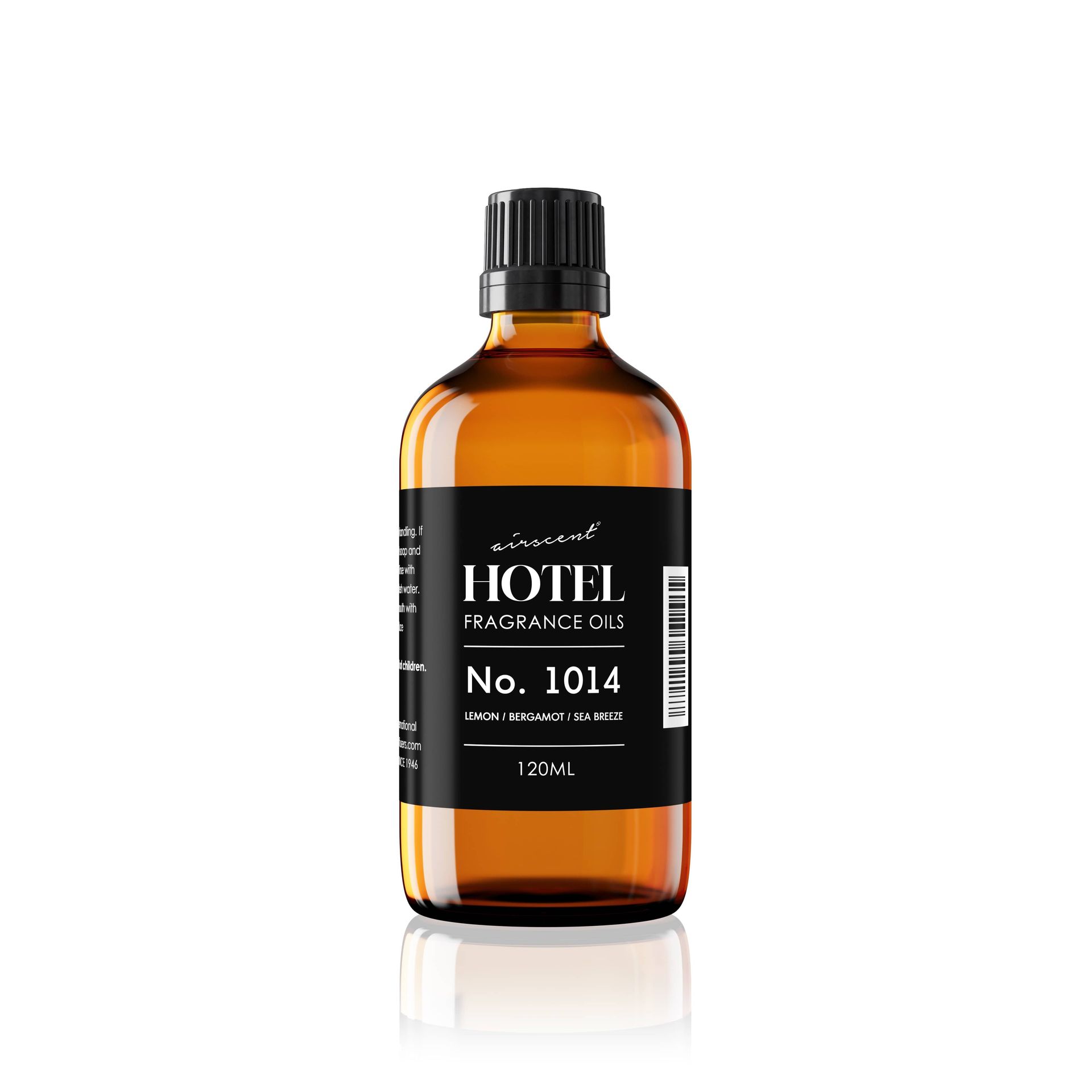
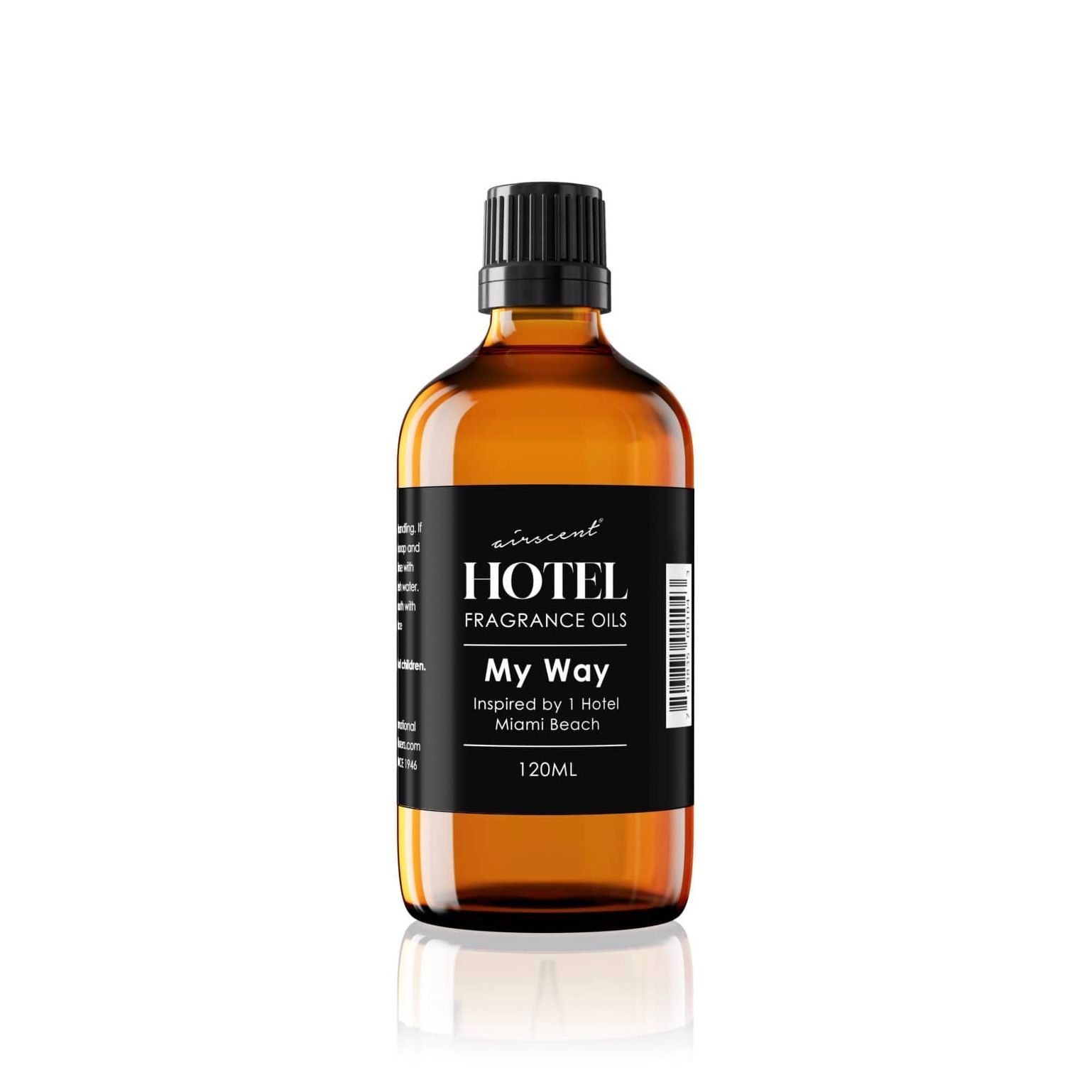
My Way 1 Hotel
Sandalwood, Jasmine, Vanilla, Musk & Virginia Cedar.
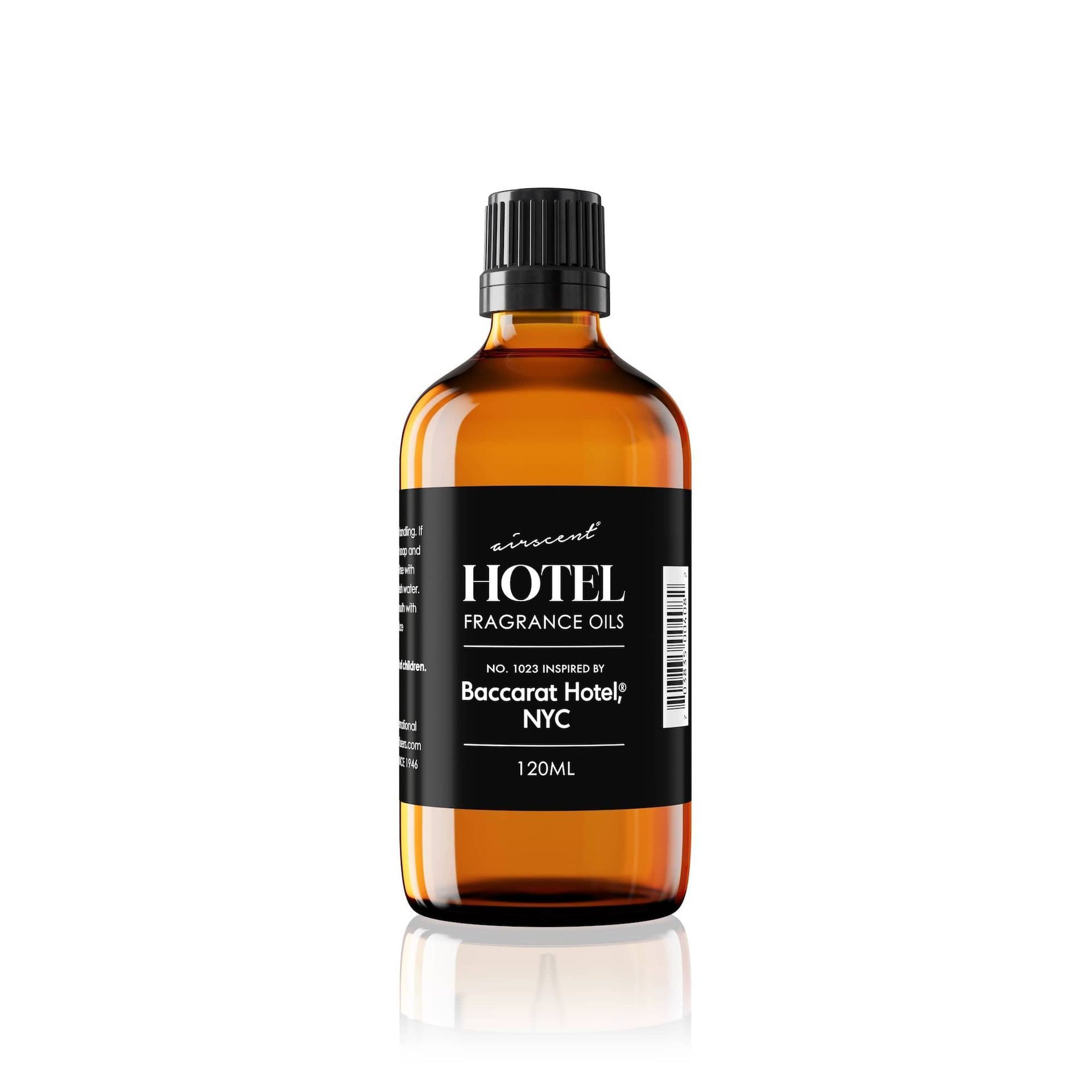
Baccarat Hotel Love Affair
A warm woody aromatic blend of sandalwood, papyrus and musk.